
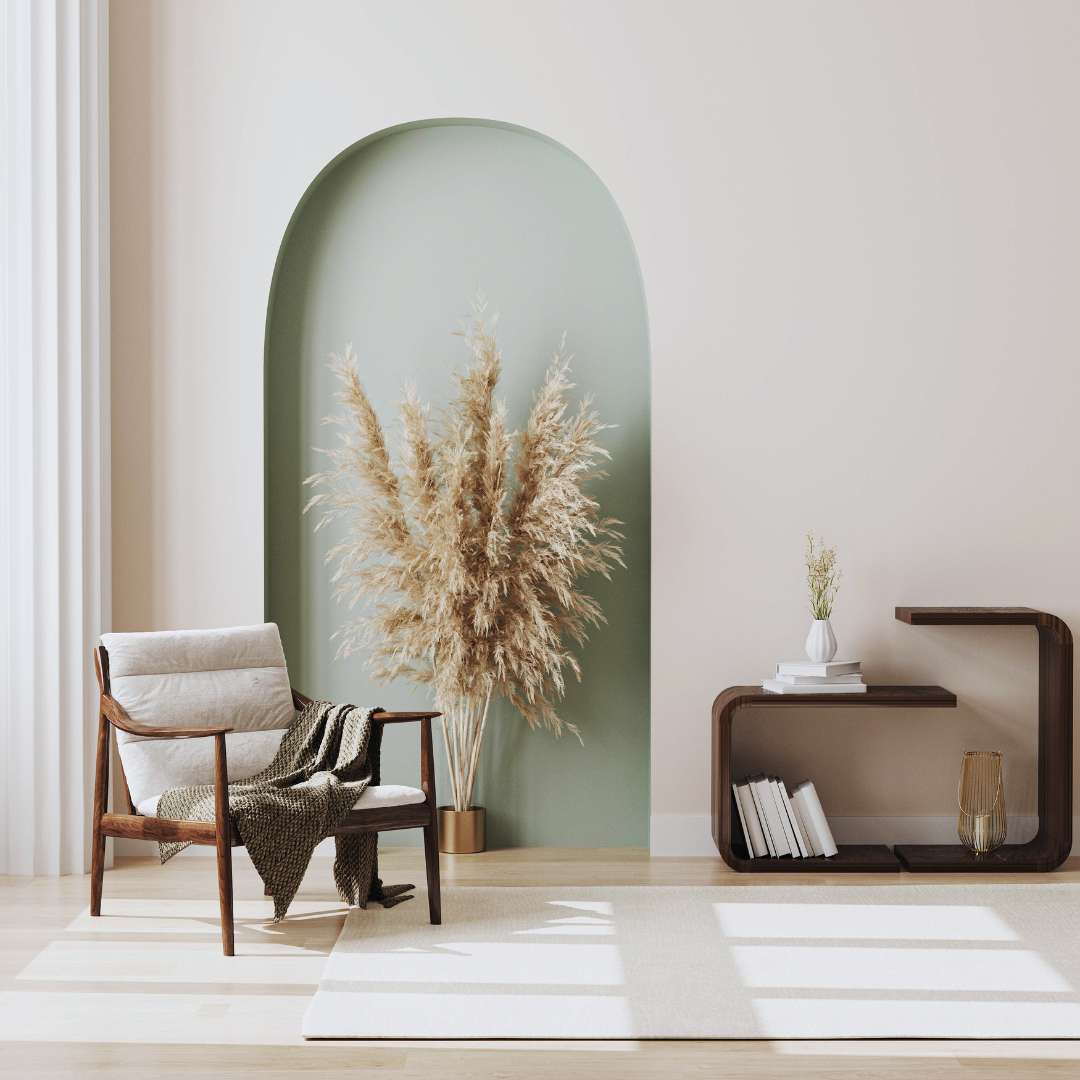
Creating a home that encourages dreaming requires a thoughtful approach to design and ambiance. Incorporating calming colors, comfortable furniture, and personal mementos can transform spaces into nurturing environments that inspire creativity and relaxation. By considering elements like natural light and open areas, one can foster a sense of possibility and imagination.
Personalization plays a crucial role as well. Encouraging the inclusion of artwork, books, or items that evoke positive memories can make a space feel uniquely one’s own. Each room can serve as a canvas for dreams, providing the backdrop for inspiration and reflection.
Additionally, integrating nature through plants or outdoor views can enhance well-being and promote restful thoughts. Spaces designed with intention can create an atmosphere conducive to dreaming and exploring new ideas, ultimately leading to a more fulfilling life.
Establishing a Foundation for Dream-Inspiring Home Design
Creating a home that inspires dreams begins with a solid foundation. It involves understanding one’s vision, seeking inspiration from design platforms, and setting a feasible budget.
Clarifying Your Vision and Priorities
Establishing a clear vision is essential for designing a dream home. Individuals should reflect on their lifestyle, personal style, and specific needs. This includes identifying key areas such as functionality, aesthetics, and comfort.
A useful approach is to create a vision board highlighting desired elements. Elements may include:
- Room layout
- Color palettes
- Material choices
Knowing what truly matters helps prioritize design decisions. This focus ensures that every aspect of the home reflects the individual’s aspirations. Regularly revisiting this vision throughout the design process keeps the goals aligned.
Incorporating Inspiration from Pinterest and Houzz
Pinterest and Houzz serve as valuable resources for home design inspiration. They offer countless ideas through images and project descriptions. Users can explore various styles, from modern minimalism to rustic charm.
Utilizing these platforms involves:
- Creating boards for different rooms
- Saving inspiration from favorite designers
- Tracking trends and innovative ideas
This method helps individuals visualize their dream spaces. It also aids in communicating ideas effectively to architects or builders. Utilizing visuals enhances collaboration and brings creative visions to life.
Setting a Realistic Budget for Your Dream Home
Budgeting is a crucial step in the home design process. Establishing a realistic budget allows for effective planning and resource allocation. It also prevents overspending, which can derail dream projects.
To create a budget, consider:
- Construction costs
- Interior design elements
- Landscaping expenses
A detailed budget should include a contingency for unexpected costs, typically around 10-15%. Regularly tracking expenses ensures alignment with the initial budget. Adjustments may be necessary as decisions evolve, but a solid budget provides a guiding framework.
Planning Dream-Encouraging Spaces and Layouts
Creating spaces that inspire dreams involves strategic planning of both floor plans and layouts. By considering different aspects of design, one can foster an environment conducive to creativity and imagination.
Choosing Floor Plans to Inspire Creativity
Selecting the right floor plan is crucial for stimulating creative thought. A floor plan that includes flexible spaces allows for adaptability, accommodating various activities from brainstorming to relaxation.
Design elements to consider include:
- Multi-purpose Rooms: Spaces that can transform in function, such as a study that doubles as an art studio.
- Natural Light: Strategically placing windows to maximize sunlight can uplift moods and invigorate creativity.
- Flow and Connectivity: Arranging rooms to encourage movement facilitates interaction and exchange of ideas among inhabitants.
Harnessing the Power of Open Floor Plans
Open floor plans promote a sense of freedom and spaciousness that can enhance imaginative thinking. By minimizing barriers, these layouts encourage fluid interaction within the home.
Key features of open designs include:
- Wide Spaces: Reducing walls between living areas can lead to a more inviting environment for social interactions.
- Flexible Furniture Arrangements: Using modular furniture allows easy reconfiguration, giving users the freedom to adapt spaces according to activity or mood.
- Integration of Indoor and Outdoor Areas: Creating seamless transitions to outdoor spaces can evoke a sense of nature, enriching the atmosphere for dreaming.
Framing Spaces for Tranquility and Imagination
Framing specific areas within a home can enhance feelings of tranquility, essential for fostering a dream-friendly environment. Using design techniques such as walls, plants, or art can create distinct zones.
Effective strategies include:
- Nooks and Alcoves: Designing cozy corners with comfortable seating helps individuals escape for quiet reflection.
- Natural Elements: Incorporating plants and natural materials brings serenity, connecting inhabitants to the outdoors.
- Color and Texture: Using calming colors and tactile materials promotes relaxation, making it easier to dream and think creatively.
By carefully planning the layout and spaces within a home, creativity and tranquility can be effectively nurtured.
Design Elements That Foster Imagination and Restfulness
Creating a serene and inspiring home environment involves careful selection of design elements. The right interior strategies, materials, lighting, and appliances can significantly enhance one’s ability to dream and relax.
Interior Design Strategies for a Dreamy Ambience
To achieve a dreamy ambience, the use of soft colors, natural materials, and fluid lines is essential. Soft hues like pastels or muted tones can create a calming effect, while textured fabrics add warmth and comfort.
Incorporating organic shapes in furniture and decor helps maintain flow and encourages relaxation. Feature walls made of reclaimed wood or calming wallpaper can also instill a sense of tranquility.
Lastly, incorporating plants can enhance air quality and provide a connection to nature, further promoting restfulness.
Choosing Flooring and Surfaces to Inspire
Selecting the right flooring can profoundly influence mood. Natural materials, such as hardwood or bamboo, offer warmth and are visually soothing. Meanwhile, tiles made from stone can bring a touch of nature indoors.
Using area rugs strategically can create distinct zones for various activities, such as reading or meditating. A soft, plush rug can invite one to sit and unwind.
Countertops in kitchens and bathrooms should feature relaxed colors and textures. Materials like quartz or soapstone not only offer durability but also add elegance to these spaces, making them inviting and restful.
Optimizing Lighting for Mood and Energy
Lighting plays a critical role in shaping the atmosphere of any room. Layered lighting with ambient, task, and accent lights creates a versatile environment.
LED lighting provides energy efficiency and the ability to adjust brightness according to mood. Installing dimmer switches allows for customization, enabling bright light for productivity or soft light for relaxation.
Strategically placing lamps in reading nooks or highlighting artwork can create focal points, while window treatments that allow natural light can enhance well-being throughout the day.
Selecting Appliances and Outlets for Seamless Living
Modern appliances should enhance daily living without causing distractions. Choosing sleek, quiet models makes a big difference in maintaining a restful environment.
Built-in appliances can streamline kitchen spaces, minimizing clutter and visual chaos.
Additionally, strategically placed electrical outlets enable clutter-free spaces, allowing for easy access to technology without visible wires. Smart home systems can automatically adjust lighting and climate, further enhancing comfort and convenience while fostering creativity and peace.
Sustaining Inspiration with Efficiency and Future-Readiness
A home designed with inspiration in mind also benefits from efficiency and adaptability. These features not only enhance comfort but also ensure sustainability for years to come.
Integrating Energy Efficiency into Dream-Oriented Design
Energy efficiency is essential in modern home design. Incorporating features such as energy-efficient windows, insulation, and appliances can significantly reduce energy consumption.
Key improvements include:
- LED lighting: Uses less power and lasts longer.
- Smart thermostats: Optimize heating and cooling for comfort and savings.
- Solar panels: Provide renewable energy and reduce reliance on the grid.
These elements promote a sustainable lifestyle while encouraging creativity. Lower utility bills free up financial resources, allowing for investments in personal passions and pursuits.
Adapting Spaces for Changing Dreams and Needs
Flexibility in home design supports evolving aspirations. Spaces should be designed to easily transition between functions. For example, a home office can transform into a guest room as needs change.
Consider these adaptable features:
- Movable partitions: Allow for reconfiguration of rooms as required.
- Multi-purpose furniture: Increases functionality without overcrowding.
- Open floor plans: Facilitate diverse uses of space while maintaining an inspiring atmosphere.
By fostering adaptability, homes can inspire creativity and accommodate changing lifestyles, ensuring lasting relevance in future endeavors.