
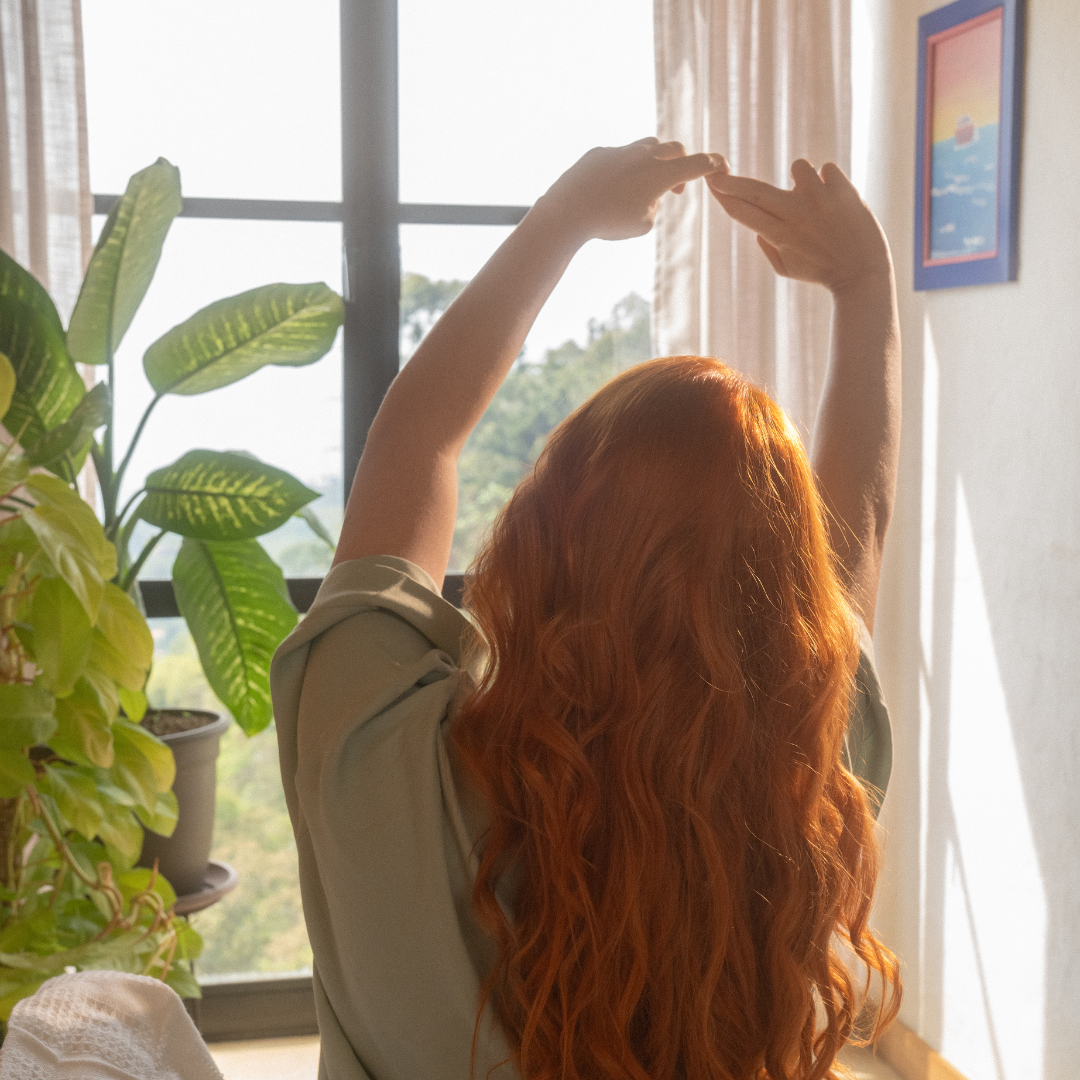
Surrealism can emerge from the mundane aspects of daily life, transforming ordinary experiences into extraordinary moments. By observing surroundings through a different lens, individuals can uncover hidden layers of meaning and imagination. The key to creating surrealism lies in the ability to juxtapose everyday elements with unexpected concepts, prompting deeper thought and reflection.
Everyday environments offer a wealth of inspiration for those willing to look beyond the surface. Small details, such as a shadow cast by a light or the pattern of rain on a window, can evoke profound emotions when examined closely. Artists and creators can harness these elements to construct scenarios that challenge perception and spark curiosity.
Engaging with the surreal does not require extensive training; anyone can explore this creative process. By encouraging unconventional thinking and embracing the unusual, individuals can infuse their daily lives with artistry and wonder. This journey into surrealism invites a renewed appreciation of the world and its complexities.
Fundamentals of Surrealism in Everyday Life
Surrealism blends the ordinary with the extraordinary, offering a unique perspective on daily experiences. By exploring its origins, the unconscious, imagination, and connections to everyday moments, one can appreciate how this art movement transforms mundane life into something extraordinary.
Origins and Philosophy of Surrealism
Surrealism emerged in the early 20th century, primarily in Paris, as a reaction against rationalism and the constraints of reason. André Breton, a key figure, defined it as a movement aiming to unite dream and reality. The philosophy stems from the belief that unlocking the unconscious mind reveals deeper truths.
Surrealist artists sought to disrupt conventional perceptions by combining illogical scenes and unexpected juxtapositions. They often used techniques such as automatism and chance to access the subconscious. This revolutionary approach encouraged individuals to question everyday life and engage with their innermost thoughts.
Role of the Unconscious and Subconscious Mind
The unconscious mind plays a vital role in surrealism, as it houses repressed thoughts, desires, and fears. Surrealist artists believed that tapping into this realm could spark creativity and innovation. They utilized methods like dream analysis and free association to explore deeper meanings.
By embracing the subconscious, surrealism highlights how personal experiences can shape one’s perception of reality. Through art, individuals are encouraged to confront their hidden feelings, creating a profound connection between the created piece and the observer’s psyche.
Integration of Imagination and Dreams
Imagination is central to surrealism, providing a bridge between reality and the fantastic. Surrealist artists often drew inspiration from their dreams, incorporating bizarre imagery and narratives into their work. This blending of the real and the imaginary invites viewers to see the familiar in unfamiliar ways.
Dream sequences are depicted in various forms, often leading to unexpected revelations. By channeling the creative potential inherent in dreams, surrealism celebrates the irrational and the whimsical, showcasing how everyday life can be reimagined through the lens of creativity.
Surrealism’s Connection to Ordinary Experiences
Surrealism finds its roots in the ordinary, reshaping day-to-day experiences into something extraordinary. By observing mundane actions and environments, artists uncover the surreal hidden within daily life. This process encourages individuals to notice the unusual in the routine.
Artworks and literature within surrealism challenge perceptions, transforming common scenarios into thought-provoking pieces. Through striking visuals and narratives, surrealism offers new insights into overall existence, urging people to perceive beyond the surface and question their reality.
Iconic Artists and Motifs
Surrealism draws heavily from distinctive artists and motifs that redefine reality. Key figures like Salvador Dalí and René Magritte introduced iconic imagery that continues to influence contemporary art.
Influence of Salvador Dalí and the Melting Clocks
Salvador Dalí is renowned for his striking imagery and symbolic themes. One of his most famous motifs, the melting clocks, originates from the painting The Persistence of Memory.
These clocks illustrate the fluidity of time, challenging conventional perceptions. Dalí’s exploration of dreams and the subconscious invites viewers into a bizarre realm, prompting questions about reality.
His unique techniques, such as meticulous detail and vibrant color, enhance the surreal quality of his work. This establishes a dialogue between the viewer and their own perceptions of time and existence.
Contributions of René Magritte and Max Ernst
René Magritte’s work often juxtaposes ordinary objects in unexpected contexts. His painting The Treachery of Images famously features a pipe with the caption, “This is not a pipe.”
This challenges the viewer’s perception, urging them to question the reality of images versus objects. Magritte’s clever use of irony and humor transformed everyday scenes into thought-provoking art.
Max Ernst brought innovative techniques to surrealism, including grattage and frottage. His work often combines disjointed images to evoke a dreamlike atmosphere, reflecting the eccentricities of the unconscious mind.
Both artists redefined how daily life could inspire and transform into surrealist narratives.
André Breton and Surrealist Leadership
André Breton is considered the founder of surrealism, guiding the movement’s development through manifestos and ideas. His writing emphasized the importance of the subconscious and free association in art.
Breton’s vision encouraged artists to explore their innermost thoughts, breaking free from traditional constraints. He highlighted the significance of dreams, often blending them with reality to create compelling narratives.
His leadership established a framework for surrealist artists, fostering collaborations and exhibitions that showcased their innovative works. This encouraged a diverse array of styles and motifs, enriching the surrealist movement.
Techniques and Methods for Creating Surrealism from Everyday Life
Surrealism can be cultivated using various techniques that transform mundane experiences into extraordinary expressions. Key methods include automatism, collage, photography, and blending visual media. Each approach invites unique interpretations and layers of meaning.
Automatism and Automatic Processes
Automatism involves creating art without conscious control, allowing the subconscious to guide the process. This method can manifest in drawing, painting, or writing. Artists often start with simple lines or freewriting, enabling unexpected forms and ideas to emerge. The aim is to bypass logical thinking and tap into deeper, instinctual creativity.
Tools for this technique include:
- Random word generators
- Stream-of-consciousness writing
- Freeform drawing
By embracing spontaneity, artists can uncover hidden aspects of their thoughts and feelings, effectively merging everyday life experiences with surrealism.
Collage, Assemblage, and Everyday Objects
Collage and assemblage are powerful methods for integrating everyday objects into surreal compositions. Artists collect items such as photographs, paper scraps, and found objects to recontextualize them.
In collage, different materials are combined to create a new visual narrative. Assemblage takes this further by incorporating three-dimensional objects. Both techniques highlight juxtapositions that evoke surprise and provoke thought.
Examples of materials might include:
- Old magazines
- Fabric pieces
- Natural elements (e.g., feathers, leaves)
These artists use familiar items to construct bizarre or dreamlike scenarios, transforming the ordinary into the extraordinary.
Photographs and Accidental Surrealism
Photography can capture surrealism through unexpected scenes or perspectives. Accidental surrealism often arises from unplanned compositions, where light, shadow, and subject matter collide in unexpected ways.
Artists may manipulate photographic techniques such as:
- Double exposure
- Forced perspective
- High-contrast lighting
These methods can alter perceptions of reality, accentuating ordinary objects in a new light. By experimenting with angles, distances, and settings, photographers can create visually striking images that evoke surreal qualities.
Blending Surrealism with Film and Digital Media
Film and digital media offer dynamic platforms to explore surrealism. Filmmakers use techniques like non-linear storytelling and dream-like imagery to immerse viewers in alternate realities.
Methods include:
- Surreal editing (e.g., abrupt cuts, unexpected transitions)
- Special effects (e.g., animations, visual distortions)
- Sound design that amplifies unease
Digital artists can employ software to manipulate images, layering elements and effects to create surreal visuals that challenge the viewer’s perception. This blend of techniques allows for a rich exploration of surrealism in the context of everyday life.
Surrealism’s Impact and Contemporary Expressions
Surrealism continues to reshape perceptions of reality, bridging the ordinary and the extraordinary. Its influence permeates various aspects of modern art, offering unique expressions through diverse forms and media that resonate with contemporary audiences.
Transforming Ordinary Moments into Surreal Art
Surrealist artists adeptly transform everyday situations into extraordinary visual experiences. They draw inspiration from the human mind, emphasizing dreams, subconscious thoughts, and unexpected juxtapositions.
For instance, René Magritte’s work often presents ordinary objects in unusual contexts, prompting viewers to question their understanding of reality. A painted apple obscuring a face challenges perception and provokes thought.
Techniques like collage and automatism play vital roles in this transformation. By incorporating random elements, artists create visual surprises that reflect the chaos of the subconscious.
Surrealism’s Presence in Modern Visual Culture
Today, surrealism’s influence is evident across various contemporary visual media, from film to graphic design. Current filmmakers often employ surreal elements to evoke emotional responses and explore complex themes.
Directors like David Lynch and Guillermo del Toro incorporate surreal imagery to reflect psychological landscapes. Imagery that blends the uncanny with the familiar engages viewers and compels them to explore deeper meanings.
In graphic design, artists utilize surrealism to create attention-grabbing advertisements and branding. The incorporation of surreal elements invites consumers to look beyond conventional advertising, sparking intrigue and curiosity.
Enduring Legacy and Evolving Media
The legacy of surrealism persists as artists adapt its principles to new technologies and platforms. Digital art has emerged as a significant medium, allowing for innovative interpretations of surreal ideas.
Numerous modern creators utilize software to blend imagery and effects seamlessly. Virtual reality installations immerse audiences in surreal environments, amplifying engagement and interaction.
Social media also serves as a canvas for surrealist expression, with artists sharing their work instantly. Platforms like Instagram allow for widespread dissemination and appreciation of surreal art, connecting creators and audiences globally.