
Many people struggle to find time for their hobbies amidst busy schedules and responsibilities. Making time for hobbies is essential for personal growth and well-being. Engaging in activities that spark passion can enhance creativity, reduce stress, and improve overall quality of life.
Prioritizing hobbies requires a deliberate approach. Individuals can start by evaluating their current schedules and identifying pockets of time that could be dedicated to personal interests. Setting specific goals around hobbies can turn them from occasional activities into regular practices that enrich daily life.
Incorporating hobbies into a routine can lead to a more balanced and fulfilling existence. Whether it’s dedicating a few evenings a week or blocking off time on weekends, creating space for passions can transform one’s outlook and energy levels.
Recognizing the Value of Hobbies
Hobbies provide essential benefits that contribute to an individual’s well-being. Engaging in leisure activities not only promotes relaxation and enjoyment but also supports mental and physical health.
Boosting Mental Health
Participating in hobbies can significantly enhance mental health. Engaging in enjoyable activities helps reduce stress and anxiety levels. For instance, activities like painting or gardening allow individuals to express themselves creatively.
Research indicates that hobbies can lower cortisol levels, which are associated with stress. By dedicating time to these pursuits, individuals can experience improved mood and increased feelings of happiness. Regular engagement in hobbies can also serve as a powerful distraction from daily pressures.
Enhancing Physical Health
Hobbies can also contribute positively to physical health. Activities such as hiking, dancing, or playing sports promote physical fitness. These hobbies encourage movement, which enhances cardiovascular health and improves strength and flexibility.
Physical engagement releases endorphins, often referred to as “feel-good” hormones. This release not only boosts mood but can also reduce feelings of pain and fatigue. Moreover, sustaining an active lifestyle through hobbies can prevent chronic illnesses.
Improving Self-Esteem and Satisfaction
Hobbies play a vital role in boosting self-esteem and personal satisfaction. By creating something or achieving a goal within a hobby, individuals can experience a sense of accomplishment. This achievement leads to increased confidence.
Moreover, engaging in hobbies fosters a sense of community. Joining classes or groups focuses on shared interests, creating opportunities for social interaction. As relationships develop, participants often find a deeper sense of belonging, further enhancing their self-worth. Such fulfillment reinforces the importance of integrating hobbies into daily routines.
Balancing Hobbies and Responsibilities
Finding the right balance between hobbies and other responsibilities can enhance personal fulfillment. Focusing on effective scheduling, setting realistic goals, and prioritizing interests helps individuals manage their time efficiently.
Scheduling and Time Management
Effective scheduling is crucial for balancing various commitments. Creating a weekly planner can help visualize the time available for each task.
- Block time for hobbies: Dedicate specific hours solely for personal interests.
- Use productivity techniques: Methods like the Pomodoro Technique can enhance focus and make time for hobbies more productive.
- Limit distractions: Identifying and reducing distractions during hobby time can maximize enjoyment and efficiency.
By prioritizing these strategies, individuals can allocate their time more effectively, ensuring that hobbies receive attention amidst other responsibilities.
Setting Achievable Goals
Setting attainable goals is essential to maintain motivation and balance. With clear objectives, individuals can measure their progress and adjust their commitments accordingly.
- Define short-term and long-term goals: Breaking hobbies into smaller milestones makes them more manageable.
- Be realistic: Understanding personal limits allows for a healthy pace in pursuing interests without risking burnout.
- Celebrate achievements: Acknowledging small successes increases motivation and reinforces the importance of personal hobbies.
These practices help sustain enthusiasm and make time for hobbies more rewarding.
Prioritizing Personal Interests
Knowing which hobbies are most meaningful is vital for effective time management. Individuals should reflect on their interests to prioritize them effectively.
- Assess personal enjoyment: Identify activities that bring the most satisfaction.
- Incorporate hobbies into daily routines: Small moments can be utilized, such as reading during lunch breaks or practicing skills on weekends.
- Evaluate responsibilities: Periodically reviewing tasks can help adjust priorities, ensuring personal interests remain a focus.
By thoughtfully prioritizing interests, individuals can carve out meaningful time for hobbies without neglecting responsibilities.
Engaging in Diverse Hobbies
Exploring a variety of hobbies can enhance well-being and enrich life. Different types of activities cater to diverse interests and can fulfill various personal goals, whether it’s creativity, physical health, or mental stimulation.
Creative Hobbies for Expression
Creative hobbies, such as drawing, baking, and making music, provide an outlet for self-expression. Engaging in these activities allows individuals to explore their artistic side.
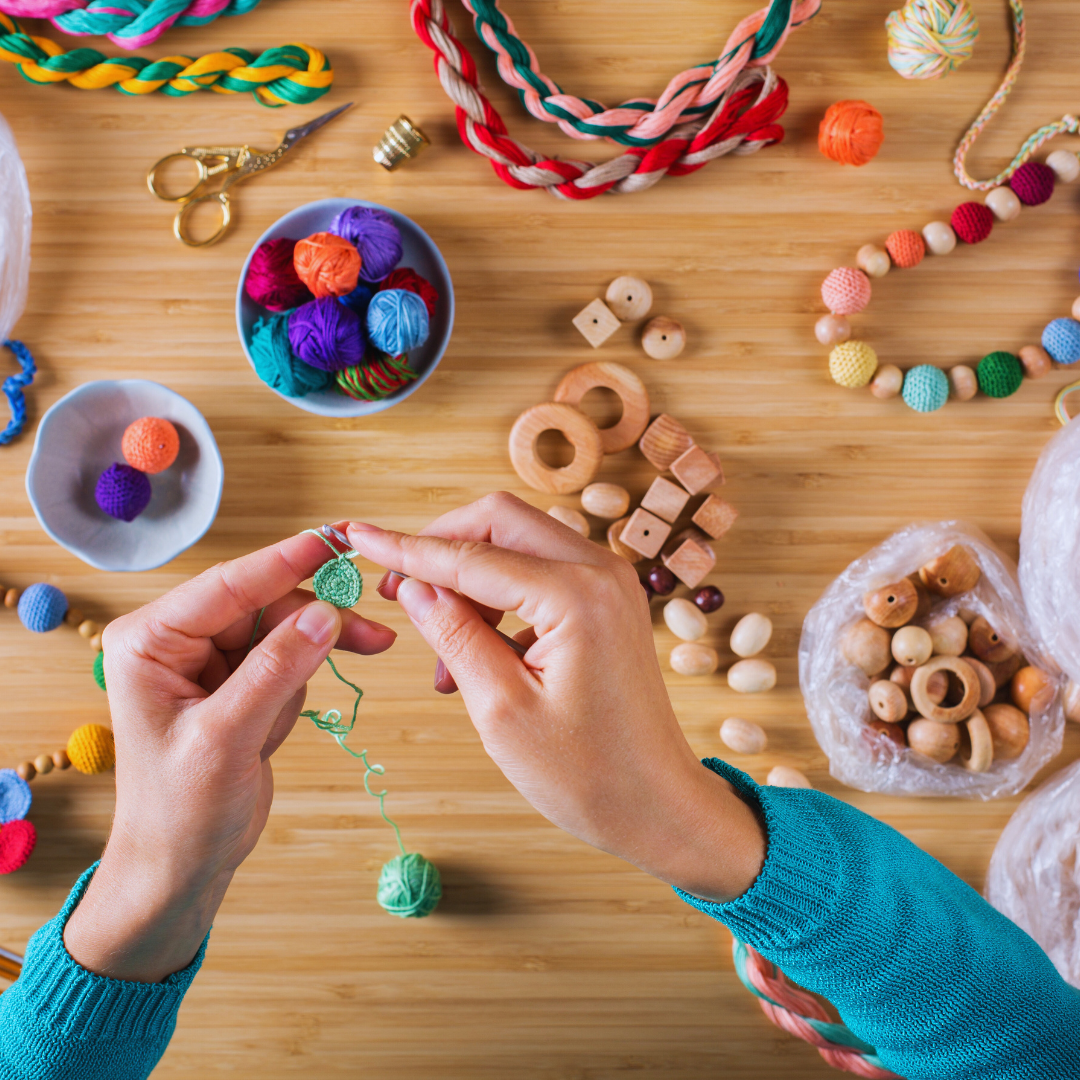
For example, cooking and baking can be both enjoyable and satisfying. Trying new recipes can spark creativity, while crocheting and coloring offer relaxing ways to create something tangible.
Playing an instrument or composing music contributes to emotional well-being and cognitive function. These hobbies not only help express feelings but also foster a sense of achievement.
Physical Activities for Health
Physical hobbies like yoga, running, and swimming promote both physical and mental health. Regular exercise boosts energy levels and improves mood.
Practicing yoga enhances flexibility and mental clarity, encouraging relaxation. Jogging and running are excellent for cardiovascular health and can be done alone or in groups for social interaction.
Swimming provides a full-body workout and can be refreshing. These physical activities allow individuals to focus in the moment, helping to reduce stress and anxiety.
Many people find that racket sports are a great way to stay active and meet new people. Tennis is a popular choice because it combines cardio with coordination. If you live in a large city, finding a court and a partner can be the hardest part. Signing up for tennis lessons nearby makes this process much easier for local residents. These programs often have coaches who come to you, which saves time on travel. It is a simple way to build a new skill without the need for a private club membership.
Cognitive Hobbies for Mental Acuity
Cognitive activities, including chess, Dungeons & Dragons (D&D), and various collecting hobbies, challenge the brain. Playing chess sharpens strategic thinking and problem-solving skills.
Meanwhile, D&D encourages teamwork and creativity, as players develop characters and stories collaboratively. Collecting, whether it be stamps, coins, or art, can be both engaging and educational.
Fishing is also a surprisingly engaging cognitive hobby, requiring a blend of patience, observation, and strategic thinking. From selecting the right bait to understanding water conditions and fish behaviour, every step involves thoughtful decision-making. Many anglers choose experiences like Tamarindo fishing charters, or similar guided trips, where they can learn from local experts while refining their own techniques.
These hobbies stimulate critical thinking and can even support memory retention. Engaging in mentally invigorating activities is essential for maintaining cognitive health over time.
Overcoming Obstacles to Pursuing Hobbies
Pursuing hobbies can be challenging due to various obstacles. Identifying and addressing these barriers is essential for anyone looking to incorporate personal interests into their daily life.
Dealing with Boredom and Lack of Motivation
Boredom often arises when hobbies lose their initial excitement. To combat this, one effective strategy is to rotate activities. This could include setting a schedule that allows for different hobbies on specific days.
Another approach is to set clear goals. For example, a person might aim to complete a project or learn a new skill within a certain timeframe. This creates a sense of purpose and can reignite passion.
Additionally, creating a dedicated space for hobbies can enhance motivation. An inviting area signals focus and relaxation, making it easier to engage in enjoyable activities.
Navigating Financial and Resource Constraints
Financial limitations can hinder hobby participation. It’s important to assess which hobbies require substantial investment. Many interests can be pursued at a lower cost.
For instance, someone interested in painting can start with budget-friendly supplies before investing in more expensive materials. Alternatively, consider local community resources. Libraries or community centers often offer free or low-cost classes that can inspire creativity without significant expenses.
They may also find online tutorials or free resources that provide guidance without requiring financial commitments. This enables individuals to explore their interests while managing costs effectively.
Finding Support and Community
Isolation can be a barrier in pursuing hobbies. Building a support system enhances enjoyment and satisfaction. Social connections provide encouragement and motivation.
Joining local clubs or online communities can foster a sense of belonging. For example, a photography enthusiast might join a local group that organizes outings and provides feedback. This promotes a shared passion among members, enhancing the overall experience.
Additionally, sharing hobbies with friends or family can make them more enjoyable. Group activities can lead to deeper connections and shared satisfaction, turning solitary pursuits into bonding experiences.
Engaging with supportive communities can fundamentally transform one’s approach to hobbies.